
DEI Deconstructed analyzes how current methods and “best practices” leave marginalized people feeling frustrated and unconvinced of their leaders’ sincerity and offers a roadmap that bridges the neatness of theory with the messiness of practice. -
The importance of diversity, equity, and inclusion in the workplace cannot be understated. But when half-baked and under-developed strategies are implemented, they often do more harm than good, leading the very constituents they aim to support to dismiss DEI entirely. DEI Deconstructed analyzes how current methods and “best practices” leave marginalized people feeling frustrated and unconvinced of their leaders’ sincerity and offers a roadmap that bridges the neatness of theory with the messiness of practice. Through embracing a pragmatic DEI approach drawing from cutting-edge research on organizational change, evidence-based practices, and incisive insights from a DEI strategist with experience working from the top-down and bottom-up alike, stakeholders at every level of an organization can become effective DEI changemakers. Nothing less than this is required to scale DEI from interpersonal teeth-pulling to true systemic change. By utilizing an outcome-oriented understanding of DEI, along with a comprehensive foundation of actionable techniques, this no-nonsense guide will lay out the path for anyone with any background to becoming a more effective DEI practitioner, ally, and leader.
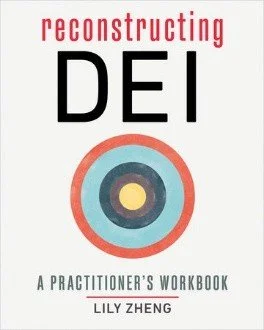
Building on the knowledge base of DEI Deconstructed, Lily Zheng offers a workbook with 40 original exercises, worksheets, and other tools to help guide you and your organization toward more substantive and lasting DEI outcomes. -
The next step in your DEI journey starts here. Building on the knowledge base of DEI Deconstructed, Lily Zheng offers a workbook with 40 original exercises, worksheets, and other tools to help guide you and your organization toward more substantive and lasting DEI outcomes. Whether you’re a new or veteran DEI practitioner looking to improve your practice, a leader looking to grow your leadership skills, or an advocate looking to play more powerful roles in movements, this book will give you the practical tools to do just that. From self-work to organizational change, this workbook will upskill you with the core competencies required for impactful DEI work, such as – diagnosing inequity, working with constituents, building movements, creating psychological safety, stewarding inclusive cultures, resolving conflict and harm, and achieving systems change. Most importantly, it will give you valuable experience putting these skills into action. Each activity can stand on its own and is designed to stimulate valuable reflection and practice. Included are recommendations for targeted exercise roadmaps to supplement your learning journey. Taken all together, these exercises are a complete masterclass in any practitioner’s DEI education
It takes strength not to curse someone out when they're being rude, or not to lose it when your child is being disobedient. It is also emotionally taxing to keep it all together when you are on the receiving end of a microaggression. -
Each of these instances requires us to use our emotional intelligence (or EQ). And, while it is a basic skill, there are more shades to emotional intelligence than you might think. Emotional intelligence can also be used to break barriers to equity. In The Color of Emotional Intelligence, psychotherapist and well-being expert Farah Harris uses personal stories, anecdotes, and insight to discuss: The fundamentals of emotional intelligence and barriers to practicing EQ effectively; How emotional intelligence is used as a survival skill by marginalized people; Different types of stressors, including microaggressions, and resulting unhealthy defensive tactics, such as code-switching and masking; Self-care strategies for handling systemic stressors that affect people from marginalized groups; Tools everyone can use to elevate their emotional intelligence to address inequities and become better stewards of humanity; Don't go through life seeing things in black and white. It's time to see the world in color.
Effective dialogue across different dimensions of diversity, such as race, gender, age, religion, or sexual orientation, fosters a sense of belonging and inclusion, which in turn leads to greater productivity, performance, and innovation.-
Whether in the workplace, faith communities, or educational settings, our differences can tear us apart rather than bring us together if we do not know how to communicate. Recognizing our collective responsibility to earnestly address our differences and increase understanding and empathy will not only enhance organizational goals but will also lead to a healthier, kinder, and more compassionate world. Award-winning diversity, equity, and inclusion consultant Mary-Frances Winters has been leading workshops on what she calls Bold, Inclusive Conversations for years. In this book she offers specific dialogue strategies to foster greater understanding on the following topics: Recognizing the importance of creating equity and sharing power; Dealing with the "fragility" of dominant groups--their discomfort in engaging with historically subordinated groups; Addressing the exhaustion historically marginalized groups feel from constantly explaining their different lived experience; Exploring how to build trust and create psychologically safe spaces for dialogue; This guide is comprehensive for anyone who wants to break down the barriers that separate us and facilitate discussions on potentially polarizing topics.
Politics, religion, race—we can’t talk about topics like these at work, right? But in fact, these conversations are happening all the time, either in real life or virtually. -
And if they aren’t handled effectively, they can become more polarizing and divisive, impacting productivity, engagement, retention, teamwork, and even employees’ sense of safety in the workplace. In this second edition of We Can’t Talk about That at Work! best-selling author Mary-Frances Winters and new coauthor Mareisha N. Reese of The Winters Group, Inc., provide fresh examples, updated research, and compelling insights. Featuring a new chapter on how two organizations have actualized the model for Bold, Inclusive Conversations as well as a discussion guide and updated glossary, this modern classic offer step-by-step guidance for conducting structured conversations around polarizing topics. Leaders and organizations can address sensitive subjects head on in a way that brings people together instead of driving them apart.
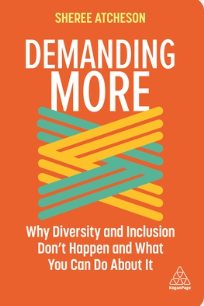
Look around you. Is your workplace as diverse and accepting as it should be? From accusations of racism in high political office, award-winning actors admitting the sets they work on aren't inclusive, to everyday occurrences of sexism, ageism, racism and more, we are far from where we need to be. -
Demanding More is THE diversity and inclusion book you need to read. Moving beyond HR speak, this book clearly explains what diversity and inclusion are and what it means in the everyday experience of millions of people, both at work and in life. Sheree Atcheson, Global Director of Diversity and Inclusion at Valtech and ex Monzo, draws on her experience as a young woman of color in an overly white male tech environment; she lives and breathes the issues she writes about. In Demanding More, she calls out the lack of awareness around privilege, unchecked and unconscious biases and details what intersectionality does to feelings of discrimination and disadvantage. Arguing that the best strategy for us all to adopt is allyship, where we all take ownership of the issues and stand up to bias or discrimination, this book will give us all tools and strategies to action every day, making us accountable to delivering change around us.
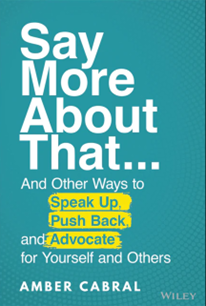
In Say More About That, veteran inclusion strategist, coach, writer, and speaker Amber Cabral delivers an incisive and practical guide to assertively addressing inequitable treatment you see at home, work, school, and other settings. -
The book offers a complete communications toolkit for equity advocacy you can deploy on your own behalf and on behalf of others. You'll get the tactics, context, and tools that make being brave and speaking up a lot easier. You'll also find: A thorough discussion of the fundamentals of inclusion and equity, including concepts of advocacy and allyship, privilege, and identity; An examination of the social landscape that makes speaking up so daunting; Explorations of the most effective language and tactics you can use when you make a stand for yourself or others; The perfect resource for underrepresented professionals, allies, advocates, and people seeking to make a positive difference in the world, Say More About That is the assertiveness manual you need if you've been meaning to speak up but are worried about being drowned out.

Protests against racial injustice and white supremacy have galvanized millions around the world. The stakes for transformative conversations about race could not be higher. Still, the task ahead seems daunting, and it’s hard to know where to start. -
How do you tell your boss her jokes are racist? Why did your sister-in-law hang up on you when you had questions about police reform? How do you explain white privilege to your white, privileged friend? In So You Want to Talk About Race, Ijeoma Oluo guides readers of all races through subjects ranging from police brutality and cultural appropriation to the model minority myth in an attempt to make the seemingly impossible possible: honest conversations about race, and about how racism infects every aspect of American life.
In Data-Driven DEI: The Tools and Metrics You Need to Measure, Analyze, and Improve Diversity, Equity, & Inclusion, Dr. Randal Pinkett, a renowned diversity, equity, and inclusion (DEI) thought leader delivers a practical and evidence-based blueprint to achieving lasting impact with your DEI initiatives. -
Dr. Pinkett has created a simple, step-by-step process to assess the current state of your DEI, analyze that data to create a personal and organizational action plan, and implement data-driven, science-based, and technology-enabled interventions for greater diversity, equity, and inclusion. The book provides: Tools and instruments to assess your personal preferences and competencies as well as your organizational culture, climate, policies, and practices; Strategies and proven practices to mitigate bias, improve decision-making, foster innovation, and expand thinking preferences, cultural competence, inclusive leadership, allyship and more; A library of measures, metrics, and key performance indicators (KPIs) to gauge progress, evaluate results and demonstrate impact; An indispensable resource for individual contributors, managers, executives, founders, entrepreneurs, and other business leaders, Data-Driven DEI deserves a place on the bookshelf of any professional seeking to have a real-world impact that delivers personal and organizational results.
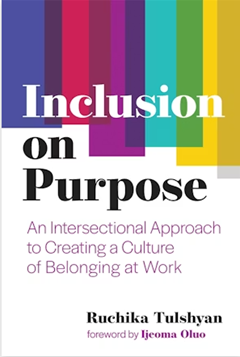
Few would disagree that inclusion is both the right thing to do and good for business. Then why are we so terrible at it? If we believe in the morality and the profitability of including people of diverse and underestimated backgrounds in the workplace, why don't we do it? -
Because, explains Ruchika T. Malhotra in this eye-opening book, we don't realize that inclusion takes awareness, intention, and regular practice. Inclusion doesn't just happen; we have to work at it. Malhotra presents inclusion best practices, showing how leaders and organizations can meaningfully promote inclusion and diversity. Malhotra centers the workplace experience of women of color, who are subject to both gender and racial bias. It is at the intersection of gender and race, she shows, that we discover the kind of inclusion policies that benefit all. Tulshyan debunks the idea of the “level playing field” and explains how leaders and organizations can use their privilege for good by identifying and exposing bias, knowing that they typically have less to lose in speaking up than a woman of color does. She explains why “leaning in” doesn't work—and dismantling structural bias does; warns against hiring for “culture fit,” arguing for “culture add” instead; and emphasizes the importance of psychological safety in the workplace—you need to know that your organization has your back. With this important book, Malhotra shows us how we can make progress toward inclusion and diversity—and we must start now.

As we become more aware of various social injustices in the world, many of us want to be part of the movement toward positive change. But sometimes our best intentions cause unintended harm, and we fumble. -
We might feel afraid to say the wrong thing and feel guilt for not doing or knowing enough. Sometimes we might engage in performative allyship rather than thoughtful solidarity, leaving those already marginalized further burdened and exhausted. The feelings of fear, insecurity, inadequacy are all too common among a wide spectrum of changemakers, and they put many at a crossroads between feeling stuck and giving up or staying grounded to keep going. So how can we go beyond performative allyship to creating real change in ourselves and in the world, together?
In The Wake Up, Michelle MiJung Kim shares foundational principles often missing in today's mainstream conversations around "diversity and inclusion," inviting readers to deep dive into the challenging and nuanced work of pursuing equity and justice, while exploring various complexities, contradictions, and conflicts inherent in our imperfect world. With a mix of in-the-trenches narrative and accessible unpacking of hot button issues—from inclusive language to representation to "cancel culture"—Michelle offers sustainable frameworks that guide us how to think, approach, and be in the journey as thoughtfully and powerfully as possible. The Wake Up is divided into four key parts: Grounding: begin by moving beyond good intentions to interrogating our deeper "why" for committing to social justice and uncovering our "hidden stories"; Orienting: establish a shared understanding around our historical and current context and issues we are trying to solve, starting with dismantling white supremacy; Showing Up: learn critical principles to approach any situation with clarity and build our capacity to work through complexity, nuance, conflict, and imperfections; Moving Together: remember the core of this work is about human lives, and commit to prioritizing humanity, healing, and community. The Wake Up is an urgent call for us to move together while seeing each other's full and expansive humanity that is at the core of our movement toward justice, healing, and freedom.